

Veterinary practice management software has historically evolved around the clinic.
Exam rooms.
Reception desks.
Fixed workstations.
For small animal medicine, this model makes perfect sense. But bovine veterinary practice operates in a fundamentally different environment — one defined by mobility, herd-level care, and fast-paced field workflows.
When clinic-centric systems are applied to bovine medicine, friction inevitably appears.
The assumptions built into clinic software
Clinic-focused platforms are designed around predictable conditions. They assume stable connectivity, structured patient appointments, and workflows that unfold within controlled environments.
Most clinic systems implicitly expect:
- Reliable internet access
- Sequential patient interactions
- Extended documentation windows
- Immediate access to full workstations
These assumptions align with clinic realities.
They do not align with bovine practice.
The realities of bovine veterinary workflows
Bovine veterinarians work across farms, barns, and unpredictable environments. Treatments often involve multiple animals in rapid succession. Clinical decisions are made in real time. Connectivity may be inconsistent. Interruptions are common.
A single farm visit may involve:
- Herd-level assessment
- Multiple treatments
- Drug dispensing
- Producer communication
- Preventative program adjustments
- Billing capture
Workflows are fluid rather than sequential.
Where clinic logic creates friction
When clinic-centric systems meet field medicine, predictable challenges emerge.

Delayed documentation
If workflows feel cumbersome on mobile devices, clinicians often defer record entry. Notes become something completed later rather than at the point of care.

Fragmented processes
Treatments, records, inventory, and billing may live in separate workflow steps, increasing cognitive load and administrative overhead.

Billing inefficiencies
Charges captured hours later depend on recall rather than immediate workflow linkage.

Increased mental burden
Clinicians must mentally bridge gaps between what was done and what must later be documented or billed.
None of these problems feel dramatic.
They feel like persistent, low-grade friction.

Why this distinction matters more today
The pressures on bovine practice continue to intensify:
Herd sizes are increasing. Documentation expectations are rising. Antibiotic stewardship requirements are tightening. Multi-clinician coordination is more common. Workflow precision has become critical.
Systems that introduce friction compound operational stress.
Systems that reduce friction create stability.
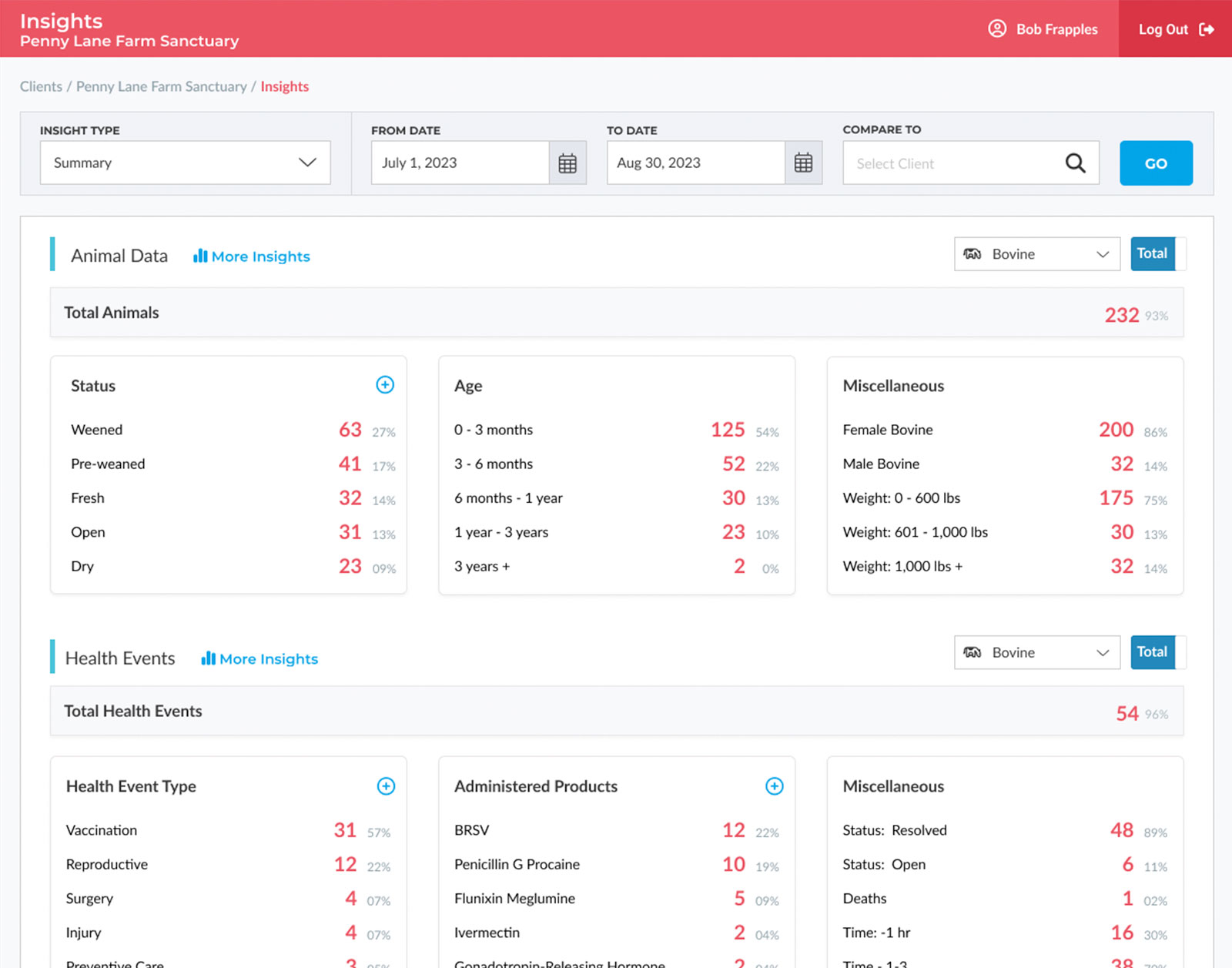
Field-first software begins with a different premise
Field-centric platforms are designed around mobility rather than location.
Instead of adapting clinic logic to the field, they prioritize:
- Fast, intuitive workflows
- Mobile usability
- Rapid data capture
- Multi-animal efficiency
- Immediate billing integration
- Practical herd workflows
The goal is environmental alignment.
Software adapts to workflow reality rather than forcing workflow adaptation.
Workflow fit vs feature density
Bovine practices rarely struggle due to a lack of features. They struggle due to workflow mismatch.
Usability, speed, and friction reduction often matter more than system complexity.
VetLogix’s role
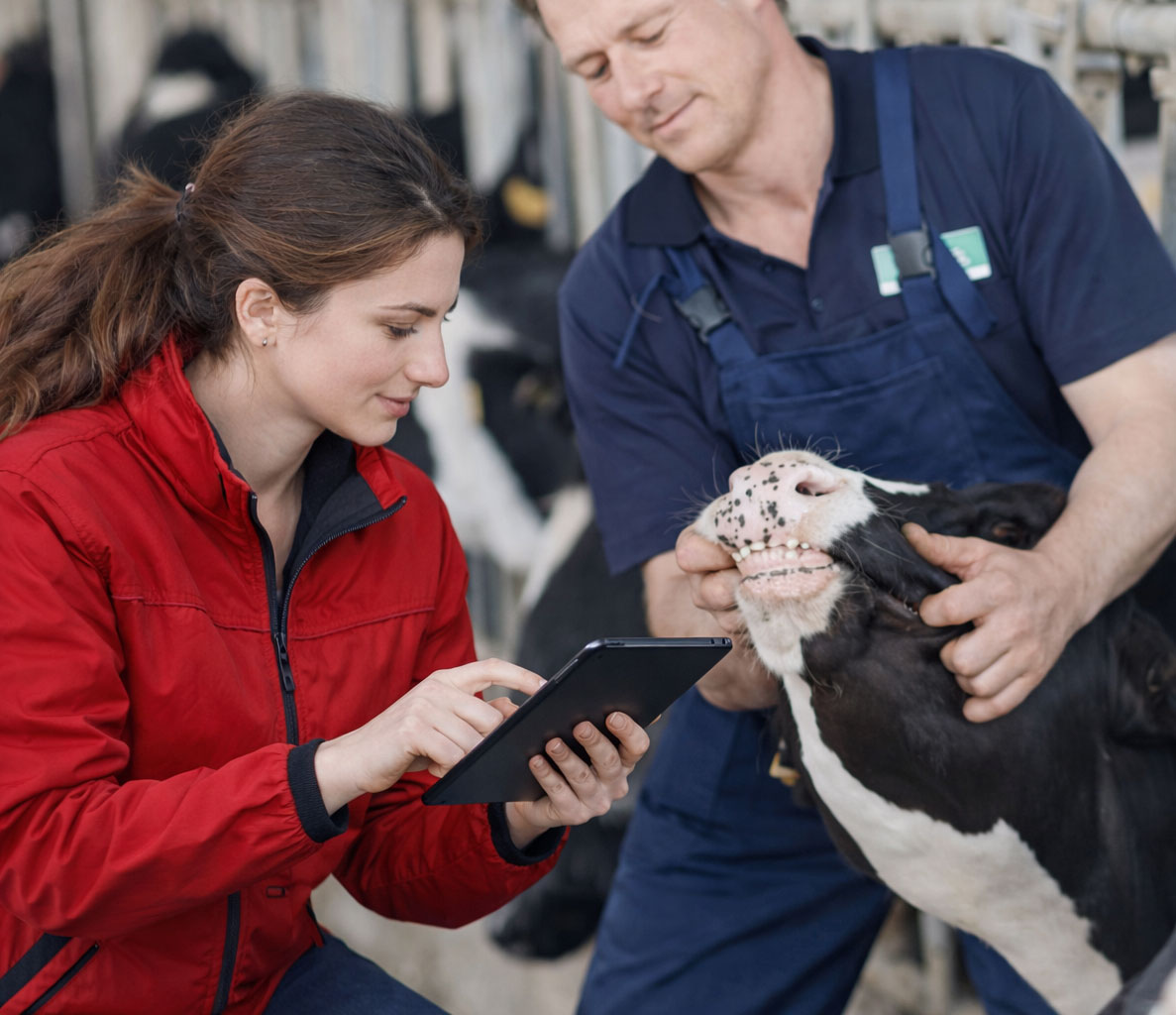
VetLogix reflects field-first design principles — aligning scheduling, treatment protocols, records, billing, and inventory within workflows designed specifically for bovine veterinary medicine.
Instead of assuming clinic conditions, VetLogix supports how care is actually delivered:
On farms. Across herds. Within mobile environments.
Because bovine practice doesn’t need clinic software with adjustments.
It needs systems designed for where the work truly happens.
VetLogix is built for the realities of bovine practice — giving your team the tools to work efficiently in the field, not around it.